This is the first blog I’ve written about memes… and it’s inspired by your work, my classic art meme meisters.

-quote by the writers of M.A.S.H.
Sitting back and sipping on a lemon pound cake tea (it’s rather delicious, by the way), I am currently thinking about some of the content creators out there opening this page, wondering what it is I’m about to say. Will I mention you? Will it be good? Will this upset you?
Let’s find out together, I’m kind of curious myself right about now.
It’s at this point I could go back, fill you in on the idea of the meme. We could discuss what a meme is and how it dates back to Pompeii as a floor mosaic or in 1921 in print form or in 1996 on the internet (depending on the sources). We explore the cultural aspects of memes, internationally connecting individual minds through communicated messages of relatable humor and discourse. We could reach into the depths of using memes as psychic hive mind manipulation of the masses while the government hands us our asses. Perhaps the evolution of the meme from inception to common practice would be a worthy 500 words.
Nah.

-quote by Mitch Hedberg
LET’S TALK ABOUT CLASSIC ART MEMES.
While touching on some of the subject matter mentioned in the above paragraphs, another subject looms over the horizon. For the sake of this particular conversation, the horizon was painted somewhere between 1400 and 1900 and the painting now has the phrase, “I was waiting for my ship to come in, but I decided to just retire and live on the beach” set across the sky in white text using the Arial font. And there is an obscure watermark stamped on the clouds.
In a random image on the internet, another painting appears. Rembrandt’s self portrait gazes disappointingly at the viewer. The words, “I was today years old when I realized Def Leppard wasn’t telling me to ‘pour some shugap ramen’ all this time”, displayed across the darkness of his midsection, inspire comments such as “same!”, and “you mean it wasn’t about ramen at all?” and “I thought it was about breakfast cereal”. Many of which invite the masses to tap into the nostalgia of a shared experience. Some comments will offer a clarification of the actual words of the famous song. Another comment will inform you of your foolhardiness in no uncertain terms, as this commenter has never heard the song. Another social media user will be outraged at the casual objectification of women in the lyrics of the song. Another is upset about the price of eggs and wishes to blame the bird flu and a random sitting president.

-quote by Eric Andersen-Vie
How Did We Get Here?
The idea of placing text on an image was nothing new when classic art memes came along. The average internet user was already conditioned by memes years before, just as the average consumer was conditioned by text on images in the form of advertising long before that. The idea of putting words on images has been ingrained for centuries. Some art aficionados were still not impressed, as messages and witticisms stamped on a priceless work of art come across as an abomination of the integrity of the original artwork.
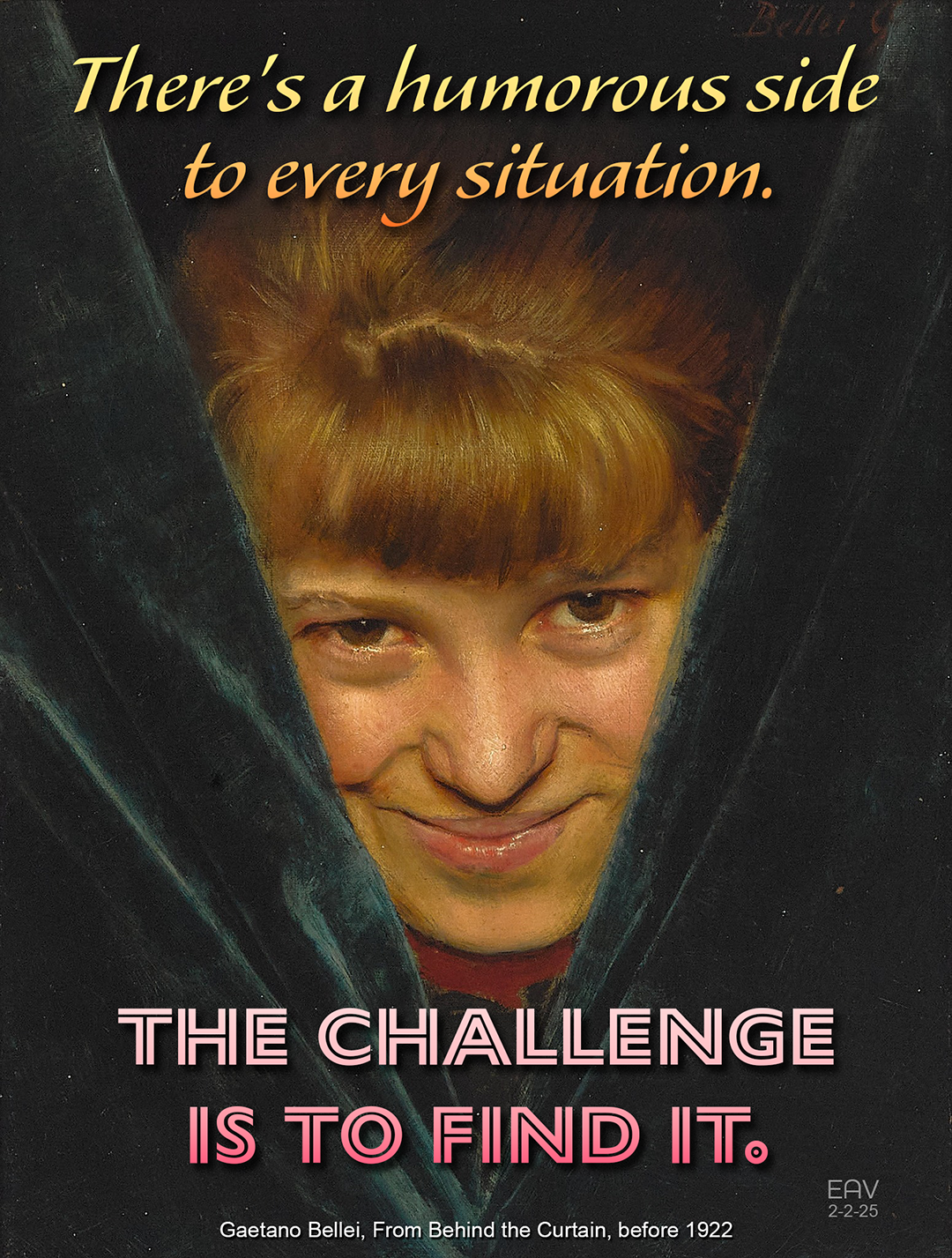
The masses, however, ate it up. For years, art of the Renaissance period to the Impressionist movements popped up seemingly everywhere, touting humor of all sorts in the words displayed in various fonts, colors, and styles. Creators have churned out memes for fun, inspiration, a source of therapy, at times with a competitive spirit among the individuals and cliques that inevitably formed. Creators who specialized in celebrating the arts with a healthy dose of humor infused in art appreciation flourished.
-quote by George Carlin
Group Mentality and the Harvesters of Sorrow
Widely known classic art meme internet groups grew strong in the increasing popularity of the craft. Over time, friendships among memers developed and shifted. Rifts grew amongst some members and content creators. As with any collection of people, some creators splintered off to form their own groups and pages. This helped cater to fans in a niche fashion, with various groups having their own energy and feel, offering a more unique experience for the varying tastes of internet users.
Some of these art humor groups and pages are run by artists in their own right, offering unique and original material. At the other end of the spectrum, there are art meme sites, groups, and pages who harvest the creations of others in every attempt to make a few bucks at the expense of others’ work. These meme harvesters collect daily, offering headache to many content creators whose time and efforts went into the paintings. The headaches would be worse if the original artists were alive to see all those hours painting the perfect form of lace draped over their subject’s frame go up in smoke as it has been covered up with a quirky statement and a sly double entendre several hundred years later.
As those individuals are no longer with us, the latter issue is not an addressed concern.

-quote by Eric Andersen-Vie
The “meme harvesters” previously mentioned are those who copy and paste others’ work as their exclusive source of content on their pages or accounts. Their accounts are on social media, whether Facebook, YouTube, trademarked websites, or others on a large scale in order to monetize in any way possible. By not actually having to take the time to create their own content, they are able to post more work in a shorter time frame. This is largely to the chagrin of the original meme creators who took the time to put together the works in the first place. The harvesters will often erase creator watermarks and rebrand the material in the process, adding further insult.
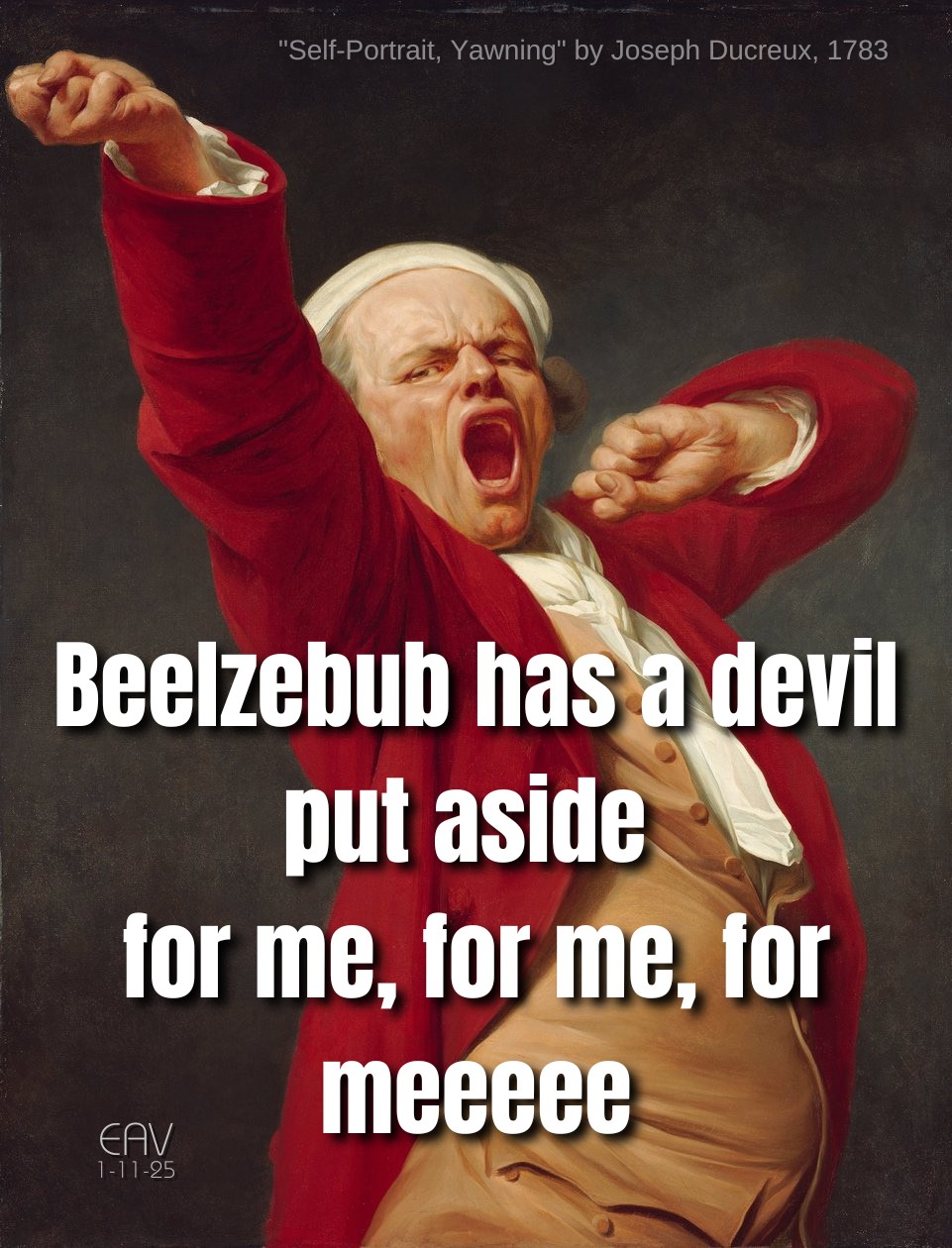
As with anything else on social media, this is a common risk. Social media is a take-and-reshare environment. The very definition of the word “meme” is something that is shared. A perfect example of shared work is artist Joseph Ducreux, whose paintings are repeatedly used for memes; his ability to elegantly capture outrageous portraits of self-expression lends itself well to a vehicle of presentation for hundreds of jokes and puns. The surprise and gesture in some of his work are the perfect compliment for a amusing caption.
-quote by Queen
Seeking Mitch Hedberg Tickets
Many of the words found on memes in circulation were repurposed, or remixed or sampled, as the hip hop folks might say.
Originally, most of the phrases commonly seen were found in tweets, screenshots of text, jokes from joke pages, blogs, and websites, quotes from television shows or comedians, or were lifted from other memes. Others are age-old dad jokes or relatable puns which have floated from person to person for generations. They have usually been seen multiple times by the time the meme was created. This can help create some confusion and tension amongst creators. There are those who borrow from a source and release their material, only to realize another creator has used the same words only days or even hours before. This is usually an unfortunate coincidence as I have witnessed; I myself have posted material, only to see the same thing posted an hour earlier. Some individuals (thankfully only a few that I personally know of) remake the work of others intentionally and repeatedly, day after day, to bully their targets in feigned attempts to establish dominance from their laptop. Riddled with insecurities, these individuals largely come across the same as a Jack Russell terrier who approaches a Rottweiler and urinates on the Rottweiler’s leg to compensate for its feelings of jealousy and inadequacy.

-quote by unknown
Thank You, You Wonderful Master Memers
Even with all the drama in the background, the memes continue to bring joy to the lives of millions. Without any knowledge or concern of the protectiveness of the creators, the public audience simply scrolls to be entertained. The viewer does not usually care where the quote came from, or how many times it was reused. If the content is funny and engaging, this is often times the bottom line, at least to the average viewer scrolling down a feed.
To those creators who, also on a daily basis plug their time and creative energy in providing that entertainment, I salute you. Your efforts are indeed appreciated and valued on global scale. We’re here for it.
Keep up the beautiful work.
The trend of combining beloved artwork and a pun about Mondays aren’t coming to an end anytime soon. And thank goodness for that.
Discover more from The Laughing Librarian
Subscribe to get the latest posts sent to your email.


That was an extremely accurate portrayal of the meme world of classic art. Who knew there would be cliques? All of us create for our own reasons, but that’s a story for another day. Keep up the great insights. I’m excited to see your next post.
LikeLiked by 1 person
Thank you! Now I just have to figure out what I’m going to write about…
LikeLike